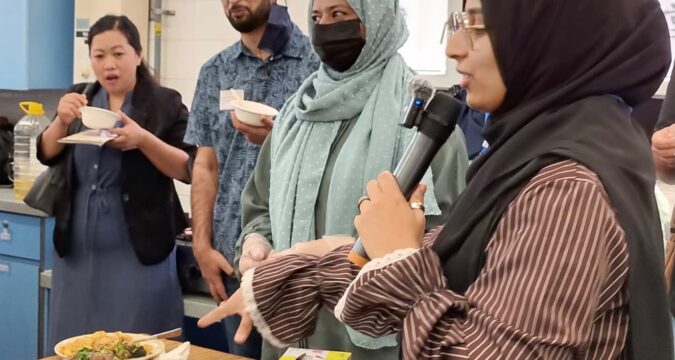
HONG KONG (SE): Eight families showcased healthier versions of traditional South Asian dishes at the finale of the Diocesan Pastoral Centre for Workers [Kowloon]’s “South Asian Cook-fit” programme on October 10 at Islamic Kasim Tuet Memorial College in Chai Wan.
The gathering brought together participating families, community members and guests to celebrate healthy eating, culinary heritage and intercultural understanding.
Launched in November 2024, the programme was developed by the centre to help South Asian families in Hong Kong adopt healthier cooking practices while preserving their culinary traditions.
Through a series of workshops, participating mothers trained as “cook-fit mums,” learning practical ways to prepare nutritious, tasty and affordable meals.
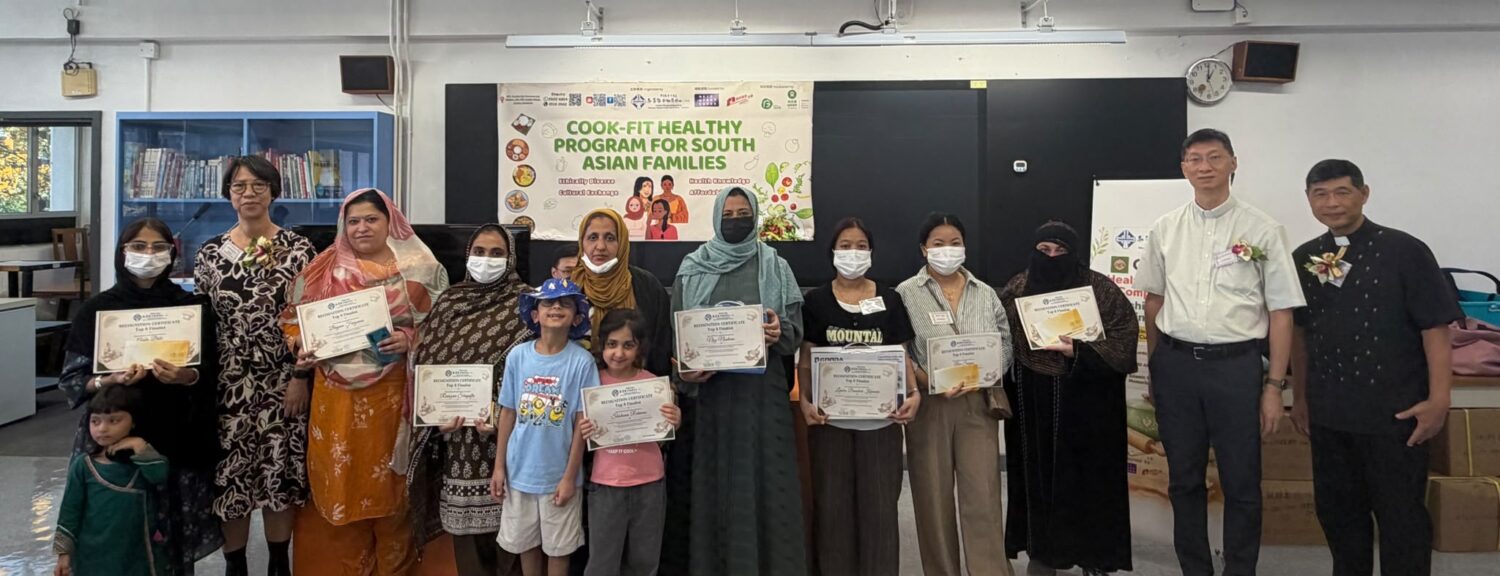
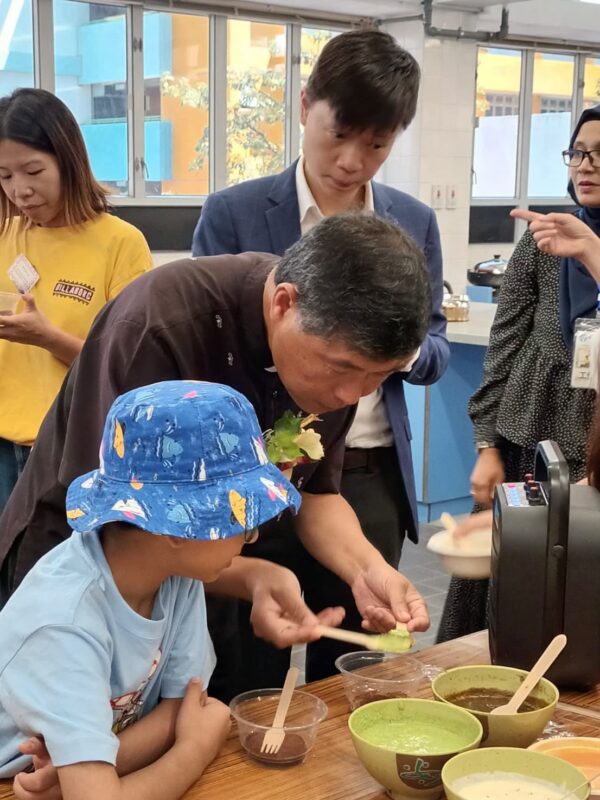
The concluding cooking competition gave eight finalist families an opportunity to put those skills into practice. Their dishes included chicken roasted in a covered skillet, chicken and tofu stir-fried rice, chicken and sweetcorn soup prepared without added oil, Nepali-style stir-fried bitter melon, shami kebabs, and yoghurt-based chicken served with rice.
The judging panel included vicar general, Father Paul Kam Po-wai; Father Stephen Ip Ting-kwok, parish priest of Saint Paul’s Parish; and representatives of non-governmental organisations and charitable foundations.
Elizabeth But Ngan-ping, the centre’s supervisor, said the workshops encouraged participants to pay closer attention to the amounts of oil and sugar used in cooking and to the balance between vegetables and carbohydrate-rich foods.
She noted that many participants had previously given limited attention to these aspects of meal preparation. Through the programme, they learned practical techniques such as using measuring spoons to control the amount of cooking oil.
Some also experimented with making curries without added oil, using the fats already present in the ingredients to retain flavour.
But acknowledged that changing family eating habits takes time. Some participants initially encountered resistance from relatives, particularly children who noticed differences in taste.
Decisions about meals, she explained, do not rest with the cook alone. The programme therefore encouraged gradual adjustments, allowing families to become accustomed to healthier recipes without losing the flavours they enjoyed.
She highlighted the use of fresh herbs and spices in the participants’ cooking as a strength on which the programme could build.
“Preserving this core strength, the programme introduces healthier preparation methods to keep dishes both nutritious and flavourful,” she explained.
Beyond developing cooking skills, the initiative offered families and visitors an opportunity to connect through food.
But linked the sharing of meals with the Catholic Church’s commitment to intercultural dialogue, noting that an appreciation of South Asian cooking could bring people from different backgrounds together.
She said several visiting organisations had expressed interest in collaborating on similar activities, opening possibilities for further encounters that celebrate cultural traditions and strengthen community relationships.
Related posts:
Conversion of heart needed to end wars, heal Earth, pope says
Church courts must never manipulate facts for a desired end
Cardinal Stephen visiting Hoa Binh Xuan Loc College, Vietnam