HONG KONG (SE): Educators at Catholic schools in Hong Kong gathered on May 18 for the Catholic School Teachers’ Day 2026, a triennial conference organised by the Catholic Education Office.
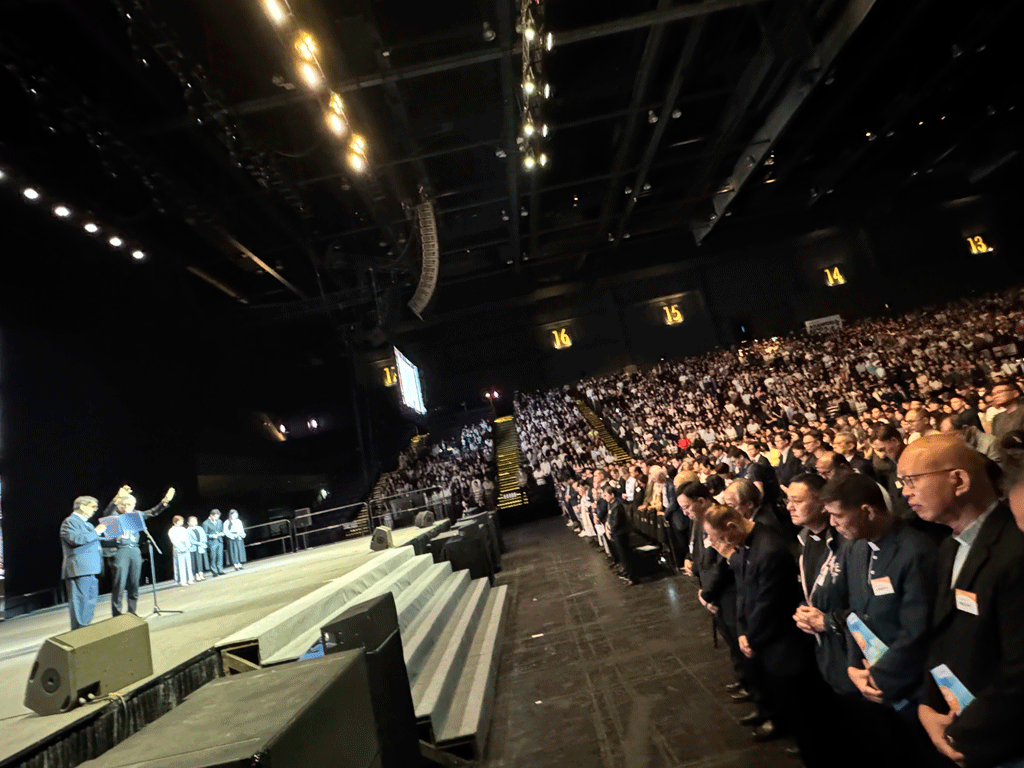
Held at AsiaWorld-Expo, the event brought together around 1,200 teachers from kindergartens, primary, and secondary schools across the Catholic system.
Coinciding with the 80th anniversary of the establishment of the Catholic Diocese of Hong Kong, the event also honoured nearly two centuries of educational heritage, while addressing the profound changes ushered in by artificial intelligence [AI].
Guided by the theme, “Messengers of Hope”, the event opened with a video reviewing the history of Catholic schooling in the region, which began in the middle of the 19th century when early missionaries arrived in what was then a fishing village and laid the foundations of local education.
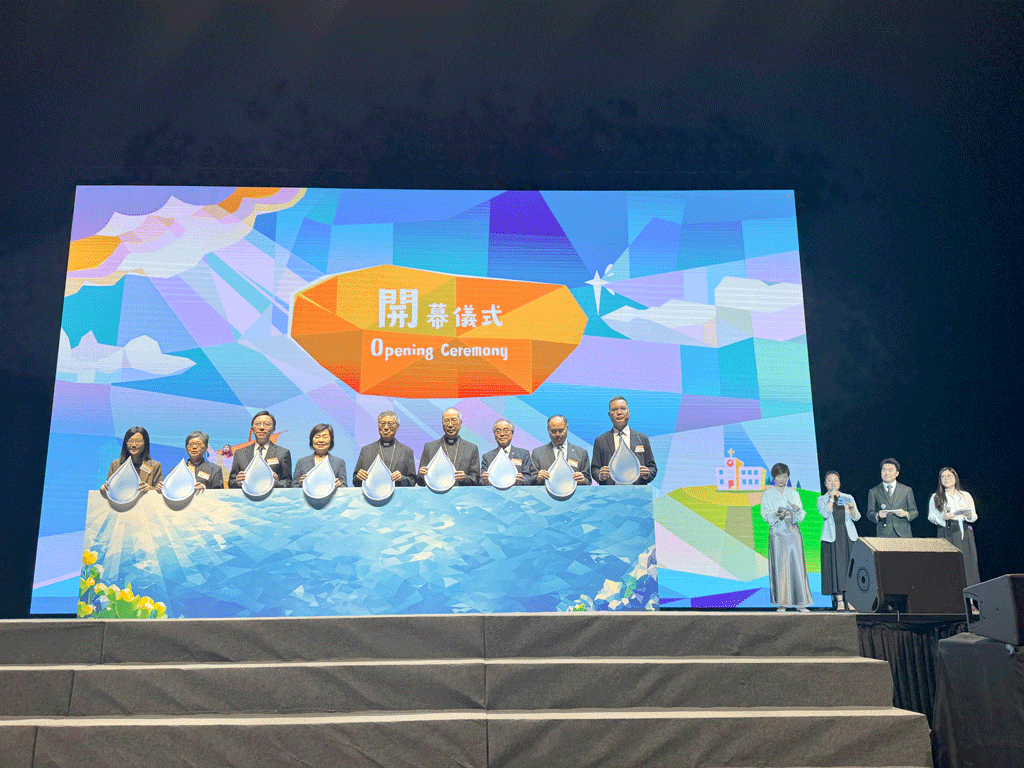
Christine Choi Yuk-lin, secretary for Education; Cardinal Stephen Chow, S.J.; Auxiliary Bishop Joseph Ha Chi-shing; episcopal delegate for education, Joseph Kung Kwong-pui; and other educational leaders then took part in a launch ceremony.
They placed symbolic water droplets into a digital lake, creating an expanding ripple to represent a Catholic teacher’s mandate to spread Catholic core values and support character formation.
School as a garden of encounter
In his address, Cardinal Stephen warned against an educational culture dominated by hyper-competition and utilitarian market needs. He urged Catholic schools to remain safe spaces where students are allowed to fail and explore.
The cardinal challenged schools to guide students on using AI ethically to benefit and uplift others, rather than simply using it to outperform peers.
He stressed that while AI offers immense benefits, students must be equipped with critical thinking to navigate its inherent risks and complex ethical dilemmas.
Recognising that teachers often feel helpless facing these rapid shifts, Cardinal Stephen called for collective solidarity. Drawing on the spirit of a synodal Church, he urged teachers, colleagues, and parents to walk together. He envisioned a school as a “garden of encounter”—a space for deep, empathetic listening where genuine human connection can grow.
Addressing the impact of artificial intelligence, Cardinal Stephen reassured educators that AI is not destined to replace them. “Because we have our own human nature, which is just so special, noble, and full of vitality… our education must bring a culture of life and hope to our students. And what is the foundation of hope? Love,” he concluded.
Drawing from Pope Francis’ Jubilee bull of indiction, he emphasised that authentic hope is rooted in the tangible, lived experience of being loved, accepted, and valued.
Government’s vision for digital education
Choi expressed her gratitude for Catholic schools educating with missions since 1843. Acknowledging different educational challenges, she maintained that technology is merely an instructional aid. “Knowledge transmission can rely on technology,” she said, “but the cultivation of values and the shaping of character must be driven by a warm, living soul.”
From a policy perspective, she announced the upcoming publication of a development blueprint for digital education in primary and secondary schools. This strategic initiative aims to enhance AI training for teachers and systematically foster digital literacy among students.
To maintain high professional standards, Choi highlighted ongoing systematic trainings, including overseas study tours, teaching research rewards, and a planned review of the Education Ordinance to introduce periodic renewal mechanisms for teacher registration.
Wisdom is not about completing tasks faster; it is about combining knowledge with benevolence to lead us toward truth and goodness,
Victor Lam Wai-qiu
An ethical framework for AI literacy
Victor Lam Wai-qiu, the former Government Chief Information Officer, combined technical expertise with spiritual guidance to introduce a structured ethical framework for student digital literacy.
Drawing from Antiqua et Nova, the landmark 2025 Vatican document on AI ethics, Lam stressed that human accountability must always remain central to technological advancement, advocating for human-machine collaboration rather than technological replacement.
“Wisdom is not about completing tasks faster; it is about combining knowledge with benevolence to lead us toward truth and goodness,” he said.
He put together a “RICHER” framework that guides ethical AI use through “Responsibility” for moral outcomes; “Integrity” in authentic work; “Critical thinking” to spot errors; “Honesty” against plagiarism and deception; “Empathy” to deepen real-world relationships with saved time; and “Respect” to protect intellectual property and foster positive digital communities.
Cardinal Stephen warned against an educational culture dominated by hyper-competition and utilitarian market needs
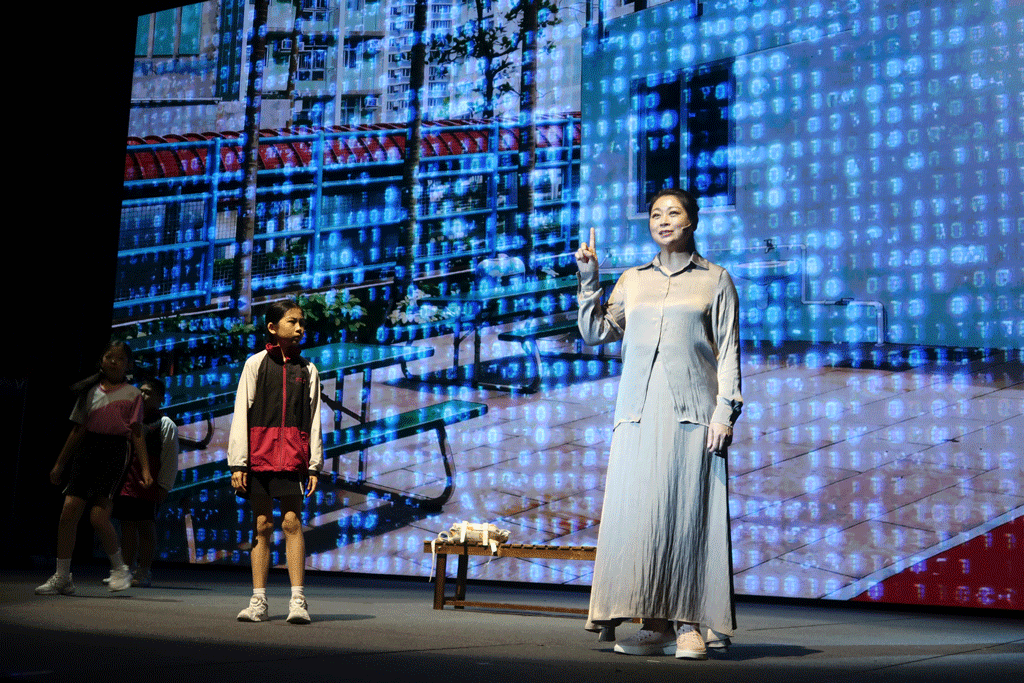
The profound human cost of digital isolation was brought to life through a drama, “AI Mama.” The play depicted a lonely young schoolgirl who attempts to replace her hospitalised mother with an AI chat programme, exposing technology’s limitations as it cannot replicate the real love of a parent.
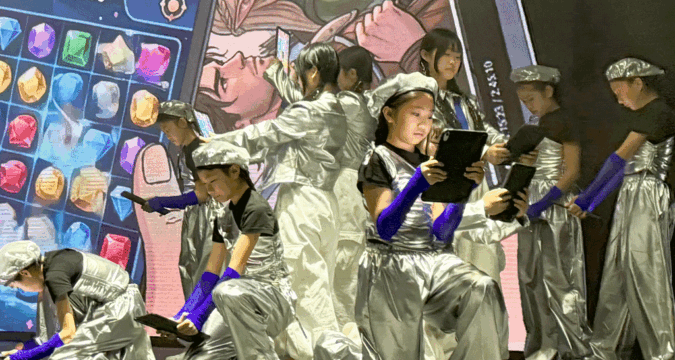
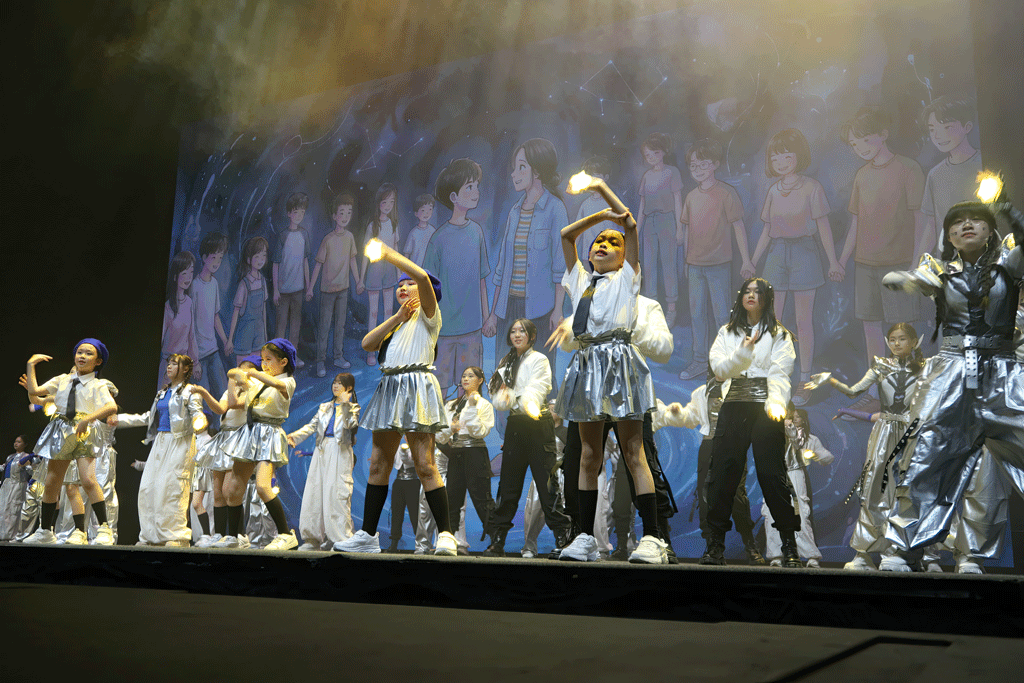
This performance was followed by a dance featuring nearly 60 students from multiple schools, illustrating the cold reality of a life lived entirely behind screens.
In his closing summary, Joseph Kung looked to the situation in the pioneering digital nation, Finland, which is actively scaling back tablet use in favour of physical books and face-to-face eye contact to combat declining attention spans and social skills.
“Technology is never a guarantee of quality education,” Kung concluded. “Excellent teachers are.”
The gathering concluded with a blessing and commissioning led by Cardinal Stephen as educators pledged to be committed to their divine calling and return to campuses not merely as instructors of data, but as authentic messengers of hope, ensuring that technology remains a tool to humanity, while keeping the authentic warmth of Christ’s love at the centre of every classroom.