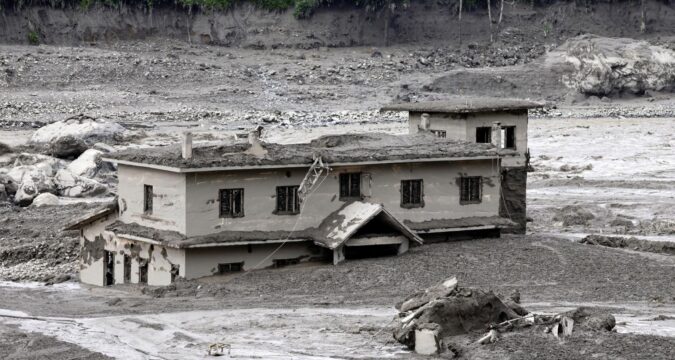
(SE): Pope Leo XIV has voiced profound sorrow over the tragic loss of life and widespread destruction wrought by recent flash floods in Nepal, Vatican News reported on August 27.
In a telegramme signed by the Vatican’s secretary of state, Pietro Cardinal Parolin, the pope entrusted the souls of the deceased to the mercy of God and extended his deepest condolences to the bereaved families.
He further assured all those suffering from the disaster of his spiritual solidarity, offering prayers for the emergency personnel engaged in ongoing search-and-rescue operations. The telegramme concluded with prayers for divine aid and protection for the people of Nepal.
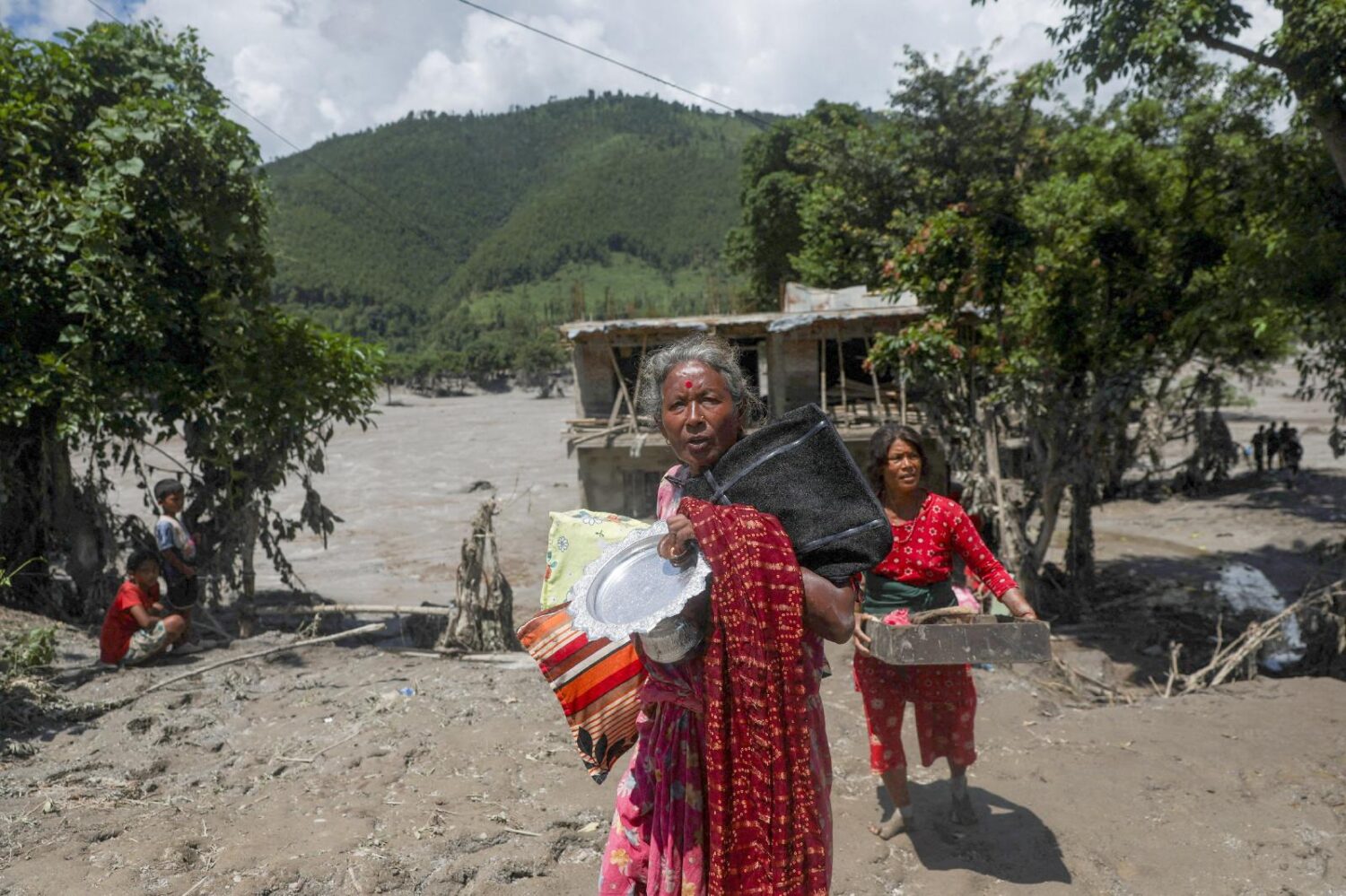
According to the BBC and Al Jazeera, more than 350 people have lost their lives, and at least 900 remain missing after a torrent of water, mud and debris swept through communities near Nepal’s northern border with China.
The death toll is expected to rise as recovery efforts continue. In neighbouring Tibet, hundreds are also missing, bringing the total number of people unaccounted for across the region to nearly 1,500.
Hundreds more are missing in neighbouring Tibet, bringing the total number of people unaccounted for across the affected region to almost 1,500.
The disaster is believed to have been triggered by the collapse of a Himalayan glacier, unleashing a sudden surge into a river system along the Nepal-China border. According to The Guardian, scientists reported that the force of the collapse was so intense that it momentarily registered as an earthquake.
According to the BBC and Al Jazeera, more than 350 people have lost their lives, and at least 900 remain missing after a torrent of water, mud and debris swept through communities near Nepal’s northern border with China
Entire settlements have been inundated, and crucial infrastructure such as roads, bridges and power stations have been destroyed or severely damaged. Numerous foreign pilgrims journeying to sacred sites including Mount Kailash and Lake Mansarovar are among those missing.
Rescue operations—complicated by difficult terrain and further risks of landslides—continue, with thousands of soldiers, police and emergency workers deployed. Helicopters are delivering aid and evacuating survivors.
International support has begun to arrive, with the United Nations, neighbouring countries, and humanitarian agencies contributing assistance.
According to Caritas Nepal, it is actively distributing emergency relief supplies—including food packages, drinking water, and hygiene kits—to affected families in the hardest-hit districts.
Caritas Nepal has also deployed teams to assess needs and coordinate with local authorities to ensure aid reaches the most vulnerable.
The tragedy has underscored mounting concerns over glacial instability in the Himalayas, as experts warn that rising temperatures are accelerating glacial melt and increasing the risk of such disasters.