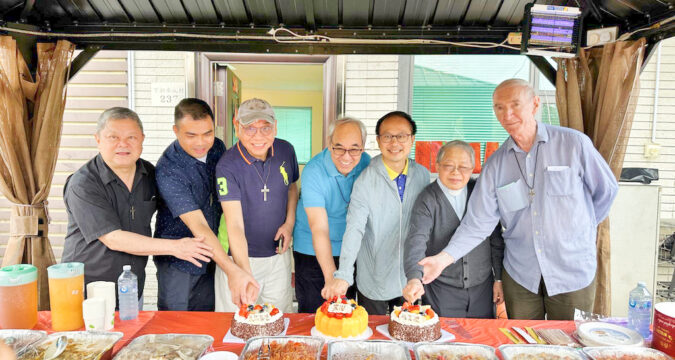
HONG KONG (SE): MercyHK Paradise, a development centre for former drug addicts in Sha Tau Kok run by MercyHK, was blessed by diocesan chancellor, Father Lawrence Lee Len, on March 24.
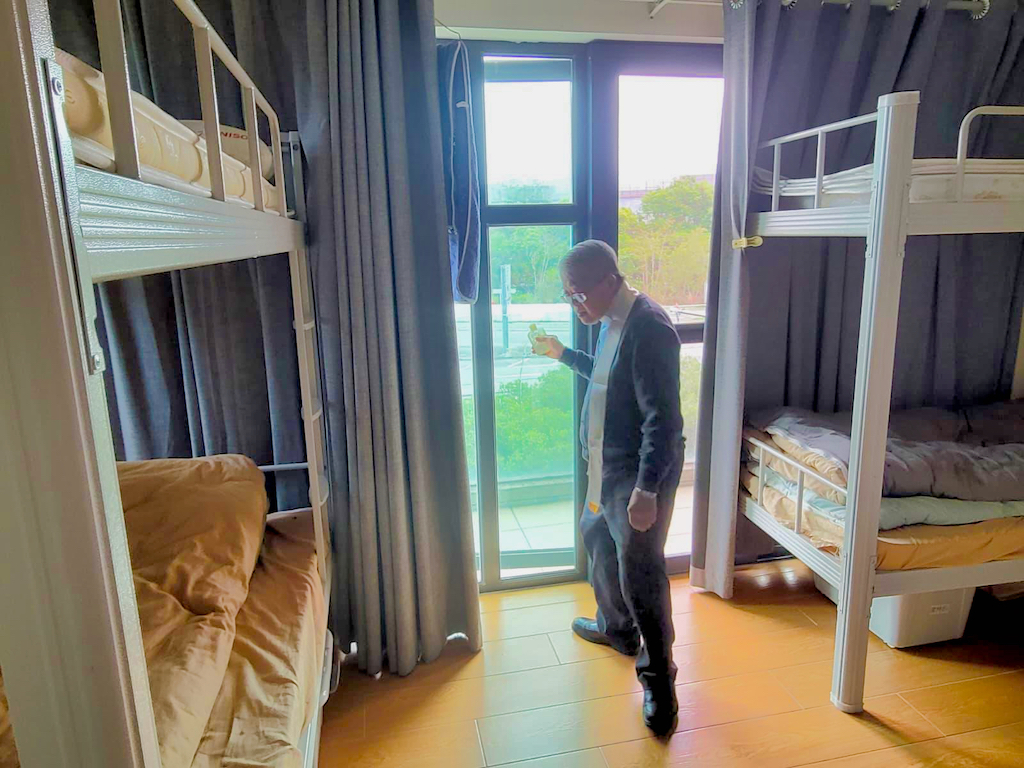
Opened last September, the centre emphasises a holistic approach to recovery, addressing physical, mental, social, spiritual, and vocational needs. It acts as a bridge to social reintegration for men aged 18 to 45 who have been discharged from hospital and have overcome substance addiction.
During the ceremony, Oblate Father John Wotherspoon, founder of MercyHK, expressed his hope that the centre’s serene and beautiful environment would positively influence residents’ rehabilitation, providing them with a comfortable space to support their ongoing recovery.
The event was attended by Father Rodolfo Jacobe, Father Luc Rene Young Chen Yin, and other Oblate missionaries, as well as representatives from Caritas Lok Heep Club and the Society for the Aid and Rehabilitation of Drug Abusers. Six current residents and four staff members—including a manager, a social worker, and two counsellors—were also present.
In his homily, Father Lee shared two stories: one involved a policeman questioning why a man was sleeping on the streets, highlighting the need for empathy; the other compared the challenges faced by wealthy individuals when renting their apartments to financially struggling families. Through these narratives, he called for greater compassion and awareness of the plight of others.
Eddie Chan Chi-kong, director of MercyHK, explained that the centre is called “Paradise” to create a welcoming environment that fosters recovery, in contrast to traditional, strict, and confining centres. “We focus on establishing connections and helping residents feel loved, which we see as the core motivation for self-transformation,” he said.
Faith-based interventions are a distinctive feature of the centre. In collaboration with the Diocesan Catechism Centre, a three-month Alpha Course has been introduced to help individuals learn more about God and reflect on life, addressing topics such as family and death.
We focus on establishing connections and helping residents feel loved, which we see as the core motivation for self-transformation
Eddie Chan Chi-kong
Recognising that high relapse rates often stem from a lack of post-rehabilitation support, the centre’s model focuses on a year-long holistic residential programme. The programme covers fitness training, psychological support, pet therapy, gardening, volunteering, and job training. “This approach aims to equip residents with essential life skills, sound financial habits, and a healthy mindset to break the cycle of relapse,” Chan explained.
The programme is supported by a network of professional volunteers, including those offering fitness coaching, spiritual guidance, gardening, nursing care, and accounting expertise.
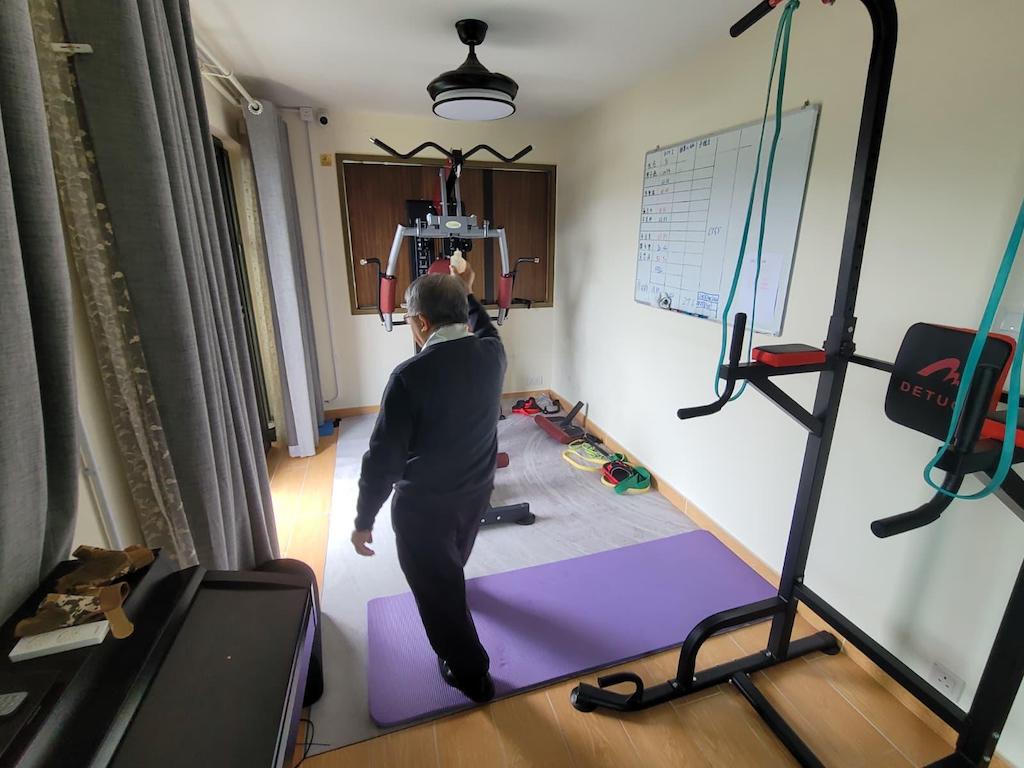
According to Chan, the programme incorporates structured fitness training and cardiovascular exercises, helping residents set health goals and improve their overall wellbeing. The centre also enables residents to re-establish a regular exercise routine by providing gym equipment and encouraging outdoor activities.
Regarding psychological support, staff members initially engage with residents daily to build rapport, eventually involving counsellors and psychologists for more complex issues. The focus is on healing from trauma and restructuring value systems, assisting residents to navigate their past experiences and reinforcing their sense of self-worth.
Residents are also encouraged to participate in community activities, such as beach clean-ups and volunteer cooking, to foster a sense of social responsibility and gratitude.
In addition to job skills, the centre focuses on reshaping identity by developing personal interests, encouraging healthy leisure activities, and rebuilding relationships with family
The programme also helps residents become self-sufficient by exploring their career aspirations and assisting in preparation for employment and various job-related certifications.
In addition to job skills, the centre focuses on reshaping identity by developing personal interests, encouraging healthy leisure activities, and rebuilding relationships with family. Residents may take holidays to visit their families after the first three months, provided they demonstrate discipline.
As the centre can accommodate only nine residents, admission is based on motivation and genuine commitment to recovery. To ensure residents are mentally prepared before leaving the programme, those wishing to exit must observe a seven-day “cooling-off” period to prevent impulsive decisions.
To promote future savings, the centre retains the residents’ government allowance—HK$2,520 per month—and returns the full amount upon completion of the programme. In other words, residents can save over HK$20,000 after one year to support their housing and employment upon reintegration into society. However, to encourage completion of the programme, allowances for early leavers are not refunded.
The first three months of the programme involve more regulations, with increased autonomy granted in subsequent months to promote family interactions and job searches.
Chan said that in its initial stage of operation, the centre is still learning and exploring the most effective practices.
MercyHK’s anti-drug services, with ongoing efforts to expand and develop, are supported by the government’s Beat Drugs Fund, in collaboration with the Keswick Foundation and through public donations.