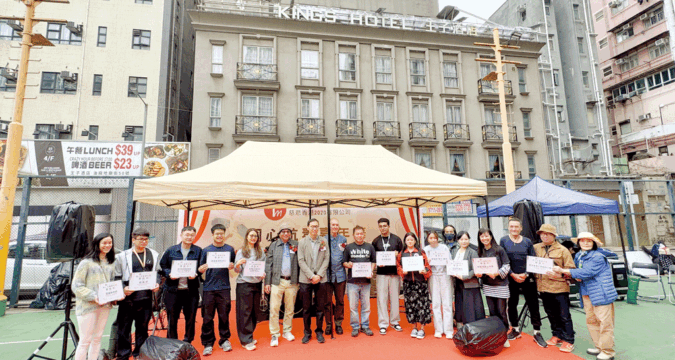
HONG KONG (SE): “Don’t take drugs as you do not need to,” urged Dr. Chong King-yee, a psychiatrist, during an anti-drug carnival organised by MercyHK on 1 March at Arthur Street Temporary Playground, Yau Ma Tei. She stressed that drugs can only lead to severe physical harm and emphasised the importance of seeking community support when facing stress, rather than turning to substances as an escape.
Themed “Igniting the Hope of Love”, MercyHK’s first anti-drug carnival aimed to enhance public awareness of drug prevention by showcasing the dangers of drugs through talks, in-depth medical analyses, and personal testimonies from individuals in recovery. The event also conveyed the importance of hope and support networks in overcoming addiction. Seven schools and youth organisations hosted games at booths to raise awareness of drug prevention.
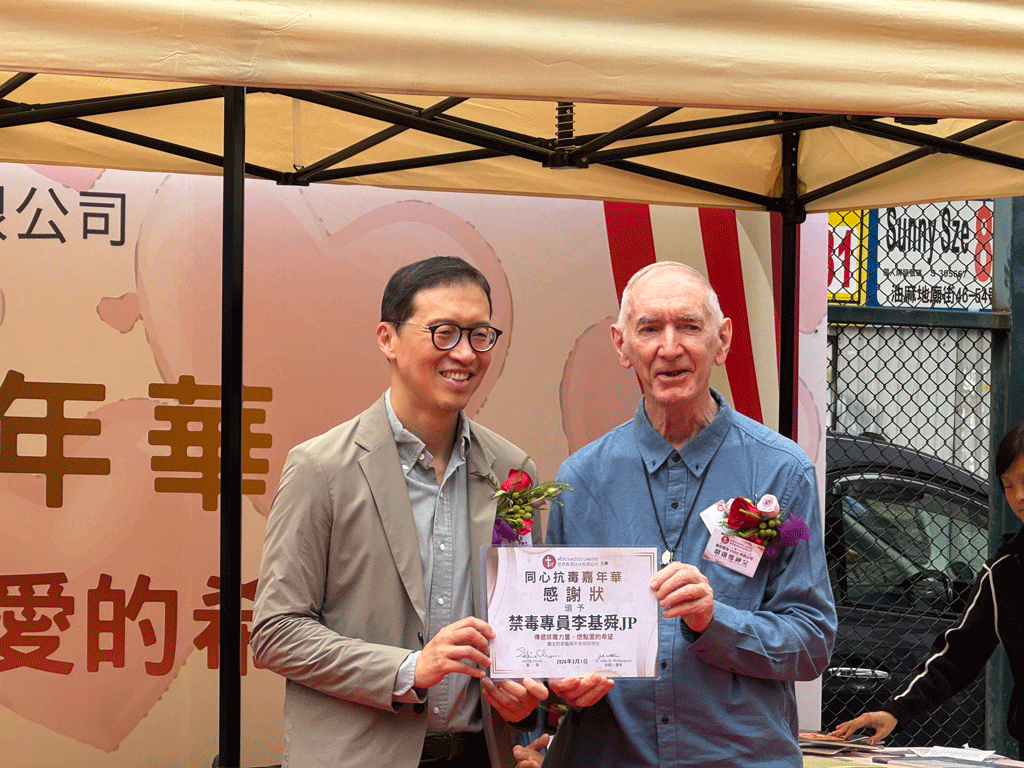
Oblate Father John Wotherspoon, founder of MercyHK, expressed gratitude to everyone involved, especially the commissioner for Narcotics, Kesson Lee Kei-shun, for attending and showing government support. After extending Chinese New Year wishes, he highlighted the close connections between homelessness and drug addiction in Yau Ma Tei.
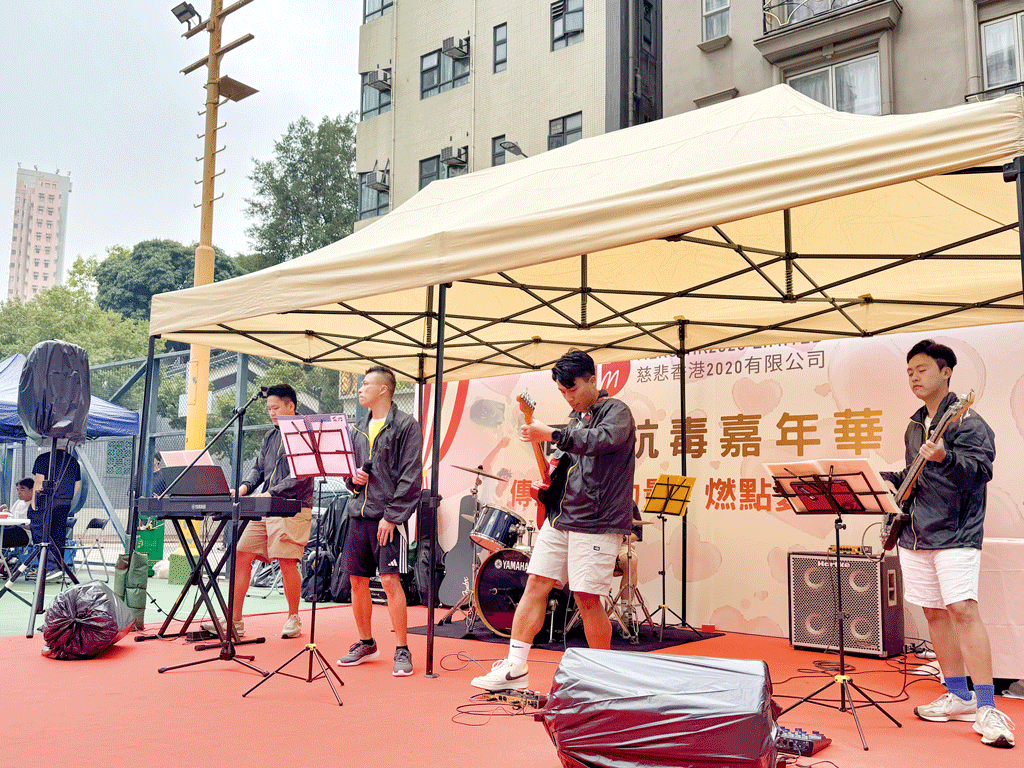
Father Wotherspoon then invited caseworker Shirley Lee Siu-yuk to discuss her work. Lee noted that many homeless people she visited had lost their homes due to drug addiction. She explained that their interventions are not one-off services, but rather a relationship-based commitment, providing consistent support ranging from distributing food on the streets and hospital visits, to aiding in drug rehabilitation and even assisting with funeral arrangements for those who have passed away.
The event commenced with a speech from Lee, who underscored the importance of collective efforts to combat drugs across sectors and communities. He noted that while drug use in Hong Kong has improved overall in recent years, issues among individuals under 21 and the rise of new drugs such as etomidate or “space oil” remain serious challenges. The government plans to strengthen drug education, particularly targeting lower primary students.
The commissioner praised MercyHK for providing comprehensive recovery support since late 2021, reaching over 500 individuals seeking help, while also engaging in preventive education within schools and communities.
Following that, Eddie Chan Chi-kong, director of MercyHK, elaborated on three key purposes of the carnival: to deepen community understanding of the dangers of drugs to prevent their spread, to introduce the organisation’s drug prevention services for community referrals, and to encourage collaboration between various organisations. He emphasised that MercyHK’s mission is to guide beneficiaries towards understanding God, help them find the strength of love and hope in faith during times of hardship and ultimately transform their lives.
A launch ceremony was officiated by the commissioner, Father Wotherspoon, and Chan, as they jointly smashed a prop symbolising the harms of drugs.
Medical analysis of drug dangers
Chong then explained how drugs can harm the brain as well as other parts of the body. They can cause serious mental health problems, such as hallucinations, delusions, and extreme emotions that might lead someone to act irrationally. She pointed out that brain damage caused by drugs is usually permanent and cannot be reversed.
Drugs can also cause physical harm, such as seizures, loss of control of bodily functions, and even unconsciousness. The most serious effects can include dangerous heart problems or death.
With the support of the Beat Drugs Fund and in collaboration with the Keswick Foundation, MercyHK offers a variety of services to help rehabilitate former drug users
Chong warned young people that drugs can also cause severe damage to appearance; for example, people taking etomidate can develop ashen skin like a zombie, while “ice” can cause skin ulcers.
She mentioned that some studies suggest people of certain ethnic backgrounds, such as Chinese, may be even more severely affected by drugs.
She strongly advised young people to avoid drugs and highlighted that real friends would never encourage drug use.
Comprehensive drug treatment services
With the support of the Beat Drugs Fund and in collaboration with the Keswick Foundation, MercyHK offers a variety of services to help rehabilitate former drug users. These services include weekly support groups, outreach at methadone centres, health education, seminars in schools, and free Chinese medicine consultations. Additionally, a special programme has been created for a group of Nepali individuals in recovery, allowing them to engage in various hobbies.
Last September, a rehabilitation centre was established in Sha Tau Kok to provide a supportive environment for young drug users on their road to recovery after discharge from hospital, focusing on holistic recovery through five key areas: physical health, mental well-being, social connections, spiritual growth, and vocational training.
In addition to the new centre, MercyHK offers transitional housing and family reintegration support services in two separate flats on Shanghai Street for men and women.