HONG KONG (SE): With the results of the Hong Kong Diploma of Secondary Education [HKDSE] examination due to be released on July 15, students are facing mounting anxiety. A new collaborative video series, bringing together Cardinal Stephen Chow, S.J., bishop of Hong Kong, and Venerable Sik Hin Hung of the Hong Kong Buddhist Association, offers comfort and strength during this pivotal time.
Co-organised by the two religious bodies, the first episode premiered on Catholic Way, the YouTube channel of the Diocesan Audio Visual Centre, on June 12. Serving as a powerful demonstration of religious harmony, the interfaith dialogue encourages students that, regardless of their examination results, a world of opportunities remains open to them, provided they protect their inner peace and take the first brave step forward.
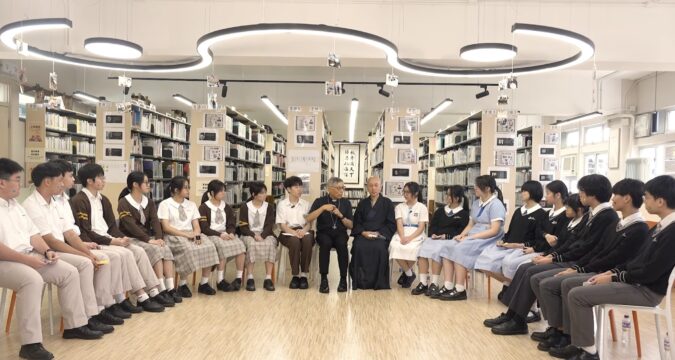
The dialogue originated from the leaders’ initiative at Wah Yan College several years ago and was further enriched during a subsequent conference in Cambodia, where they discovered a shared concern for the urgent spiritual needs of young people. In the second and third episodes, the two leaders visited school campuses, sitting down with secondary and university students to listen to their academic and emotional struggles.
Addressing the fierce competition surrounding the public examination results, Venerable Hin Hung advised students against being caught up in unhealthy competition, suggesting that the healthiest form of competition is “to compare yourself only with who you were yesterday”. Drawing from his own youth, when he failed his primary school public examinations and struggled with dictation, the Buddhist master emphasised that the value of life is found wherever effort is made. He shared four core life principles rooted in Buddhist wisdom: engagement, perseverance, reflection, and living in harmony with others.
“You should work hard to live your life and engage yourself fully. As for how your future path will look—leave that to the future. What we are talking about is living well in the present moment,” Venerable Hin Hung remarked, advising students to tackle their overwhelming tasks one step at a time.
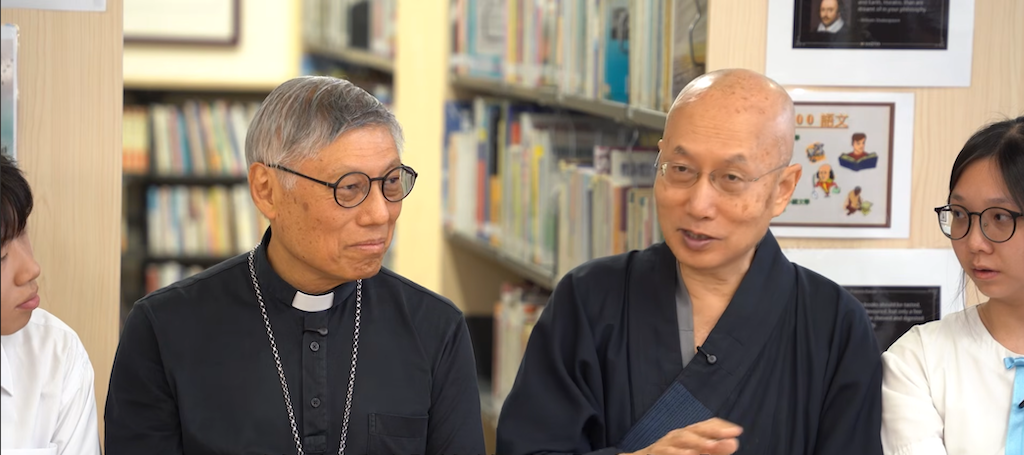
Meanwhile, Cardinal Stephen called upon society and elders to offer authentic companionship and hope. Reflecting on his early secondary school years, when he developed epilepsy and had to take medication that temporarily affected his concentration and abstract thinking, the cardinal said the experience helped him understand the importance of living in the present. “Back then I realised that life often has no shortcuts, so I just took it step by step,” he said. “Looking back, taking one step at a time enabled me to move forward steadily.”
He explained that the Jesuit practice of the Examen is a universal approach to life centred on three principles. First, cultivating daily gratitude fosters genuine joy. Second, self-reflection on one’s daily choices builds wisdom and helps people avoid repeating mistakes. Finally, placing oneself in God’s presence, before mentally rehearsing future challenges, enables one to face tomorrow with hope and confidence.
During his June ad limina visit to Rome, Cardinal Stephen spoke about the video series with the Dicastery for Interreligious Dialogue, which expressed keen interest in the initiative. He noted that Hong Kong’s unique cultural fabric provides fertile ground for harmony among traditions such as Buddhism, Taoism and Confucianism while also creating opportunities for deeper collaboration with the local Islamic community.
Throughout the series, both leaders jointly urged the public to stop intimidating the younger generation with grim warnings about AI replacing their jobs or criticising them for their perceived lack of resilience. Instead, they said, older generations should lead by example, show love, and demonstrate confidence in young people.
“Hope is grounded in the experience of love. When you feel sorrowful, knowing that you are not isolated, not fighting alone, and that someone is accompanying you, will give you confidence,” Cardinal Stephen said.
Related posts:
Pope Francis out of bed and walking after surgery
Every Church institution must listen to victims of abuse, Pope Leo XIV says
Delegation from Assyrian Church of the East visits diocese of Hong Kong