TIMIKA (UCAN): The Diocese of Timika, located in Indonesia’s restive Papua region, has urged the government to resolve an ongoing conflict between tribal groups over land used for a community gold mine.
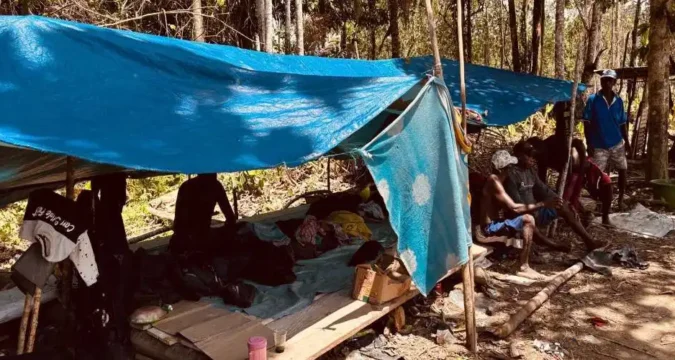
Bishop Bernardus Bofitwos Baru of Timika stated on 4 March that the conflict in Kapiraya between the Kamoro and Mee tribes has displaced hundreds of residents and left them suffering from food shortages.
Bishop Baru called for those involved in mining activities around the conflict zone to “cease operations until the conflict between the tribes has legal clarity and a peace agreement is reached.”
He also urged the government “to take swift action to assist displaced residents affected by the conflict, especially with food and medical supplies.”
In February, Bishop Baru dispatched a fact-finding team to Kapiraya in Central Papua province, following clashes between tribal groups that erupted in December.
Describing the situation as dangerous, the bishop said rival groups “not only used traditional tools and weapons but also modern weapons, such as air rifles.” He added that the conflict had forced many to flee their homes and villages for safety.
The team reported that at least 600 people had been displaced and were unable to return home, despite facing shortages of food and essential amenities.
Bishop Bernardus Bofitwos Baru of Timika stated on 4 March that the conflict in Kapiraya between the Kamoro and Mee tribes has displaced hundreds of residents and left them suffering from food shortages
According to the report, the displaced people are living in 31 makeshift camps across five villages.
The report explained that the conflict centres on a former gold mine once operated by two companies. Now, disputes have arisen as tribal communities mine gold themselves using traditional methods and sell it to collectors.
The team found that sporadic clashes continue, including arson attacks on homes, schools, and hospitals, citing a lack of government intervention as a key factor in the ongoing unrest.
A villager, identified only as Adolfina from Wakia village, said: “We are neglected; our children are not in school.”
Kapiraya remains disputed between the Mee and Kamoro tribes, largely due to poorly marked boundaries between the Mimika, Deiyai, and Dogiyai Regencies.
Provincial police chief, Jermias Rontini, said he had asked the tribes “to remain calm and map out customary areas according to their respective customary rights.”
He added that security forces have been ordered to remain alert.
John Gobay, deputy speaker of the provincial legislative body, commented: “Neglect is the best way for people to commit crimes.”
Mimika Regency is home to Freeport, the world’s largest gold mine.
Kapiraya is situated on the outskirts of the region and was once proposed as the site of a smelter—an industrial facility that extracts pure metal or metal alloys from raw ore.