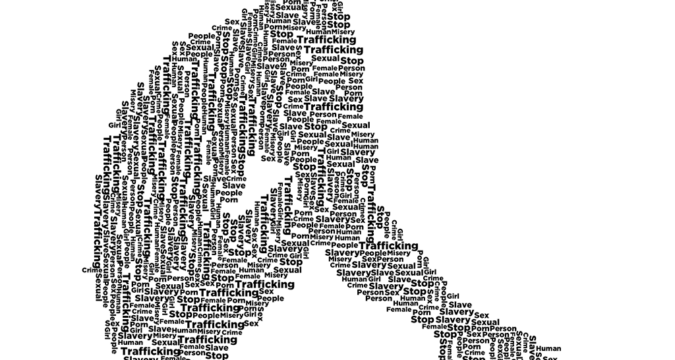
MAUMERE (Agencies): The Catholic Church in Indonesia has intensified its fight against human trafficking after 13 young women, most from West Java, were rescued from exploitation in Flores, eastern Indonesia, in January, according to Vatican News and UCAN.
The women, aged between 17 and 26, were freed from a nightclub in Sikka Regency after suffering physical violence, sexual exploitation, and forced labour. The rescue and subsequent advocacy were led by the Church-backed coalition Tim Relawan untuk Kemanusiaan Flores [TRUK-F].
The survivors now receive shelter, psychological support, and legal assistance at a TRUK-F safe house. Most were deceived by promises of well-paid jobs but instead faced abuse and squalid conditions.
The case has triggered public protests and calls for accountability. On February 9, TRUK-F and allied groups organised a peaceful demonstration at the Maumere council, demanding decisive government action.
Priests, religious sisters, seminarians, lay advocates, and women’s rights groups united to demand a thorough investigation and prosecution of those responsible.
Church leaders stressed the need for stronger legal measures and protection for vulnerable workers to help prevent future trafficking.
Recent cases include the 2021 exploitation of 17 minors and the 2024 trafficking of eight men, one of whom died
A troubling pattern
Holy Spirit Sister Fransiska Imakulata, director of TRUK-F, said the organisation has assisted trafficking victims since 2000 and described the Flores case as part of a persistent and disturbing pattern.
Recent cases include the 2021 exploitation of 17 minors and the 2024 trafficking of eight men, one of whom died.
Police are continuing their investigation into this latest case.
Sister Imakulata noted traffickers typically ensnare victims with false promises of high salaries and decent jobs.
She emphasised that women and children with limited opportunities are particularly vulnerable, though men driven by poverty are also at risk.
Victims are not always treated with dignity. At times, they are even stigmatised
Sister Fransiska Imakulata
Laws and challenges
Indonesia has enacted Law No. 21 of 2007 on the Eradication of the Criminal Act of Trafficking in Persons, alongside regional regulations. However, rights groups and Indonesia’s National Human Rights Commission highlight inconsistent enforcement and widespread underreporting.
“Victims are not always treated with dignity. At times, they are even stigmatised,” she said, highlighting the scarcity of government shelters and inadequate workplace monitoring.
TRUK-F also provides trauma counselling, legal support, and education, and runs awareness campaigns to strengthen community vigilance and promote the rights of women and children.
“In those who suffer, we see the face of Christ,” Sister Imakulata said. She encouraged people to report suspected trafficking, emphasising that national law guarantees protection and confidentiality for those who come forward.
A pastoral mission
Divine Word Father Otto Gusti Ndegong Madung of TRUK-F underlined that the Church’s anti-trafficking commitment is rooted in its pastoral mission. He called trafficking a “crime against humanity” that continues to affect Flores and many other regions.
He identified poverty, corruption, and weak law enforcement as the main drivers of trafficking.
We want our young people to work wherever they choose, but with dignity, protection, and proper safeguards
Father Madung
Hope and prevention
Amid persistent economic hardship and high levels of labour migration, the Church in Flores is urging young people to seek safe, legal employment.
“We want our young people to work wherever they choose,” Father Madung said, “but with dignity, protection, and proper safeguards.”
West Java governor, Dedi Mulyadi, thanked Sister Imakulata for her dedication and promised to oversee the case and ensure justice for the victims.
Most victims were from West Java, some as young as 15 when first recruited. Many suffered sexual violence and forced abortion.
The coalition reported the women received only about 1 million rupiah [roughly US$60] a month—far below their promised salary—and were denied the promised accommodation, clothing, and basic necessities.
Police are questioning the victims and nightclub owner as part of an ongoing investigation.
We also want all victims to receive their rights, especially the right to legal justice and reparation
Sister Imakulata
Asti Lakalena, chairperson of the Alliance for the Protection of Women and Children in East Nusa Tenggara, urged authorities to apply not only anti-trafficking laws but also statutes on sexual violence and child protection.
“We also want all victims to receive their rights, especially the right to legal justice and reparation,” she said.
Indonesia’s National Human Rights Commission calls East Nusa Tenggara a trafficking hub due to poverty and lack of jobs. Provincial police recorded 256 trafficking cases in 2023, though rights groups believe the real figure is much higher due to underreporting.
Police recorded 256 trafficking cases in 2023, though the real number is likely much higher.